
Assessing Rotator Cuff Injuries: Looking Beyond the Pain
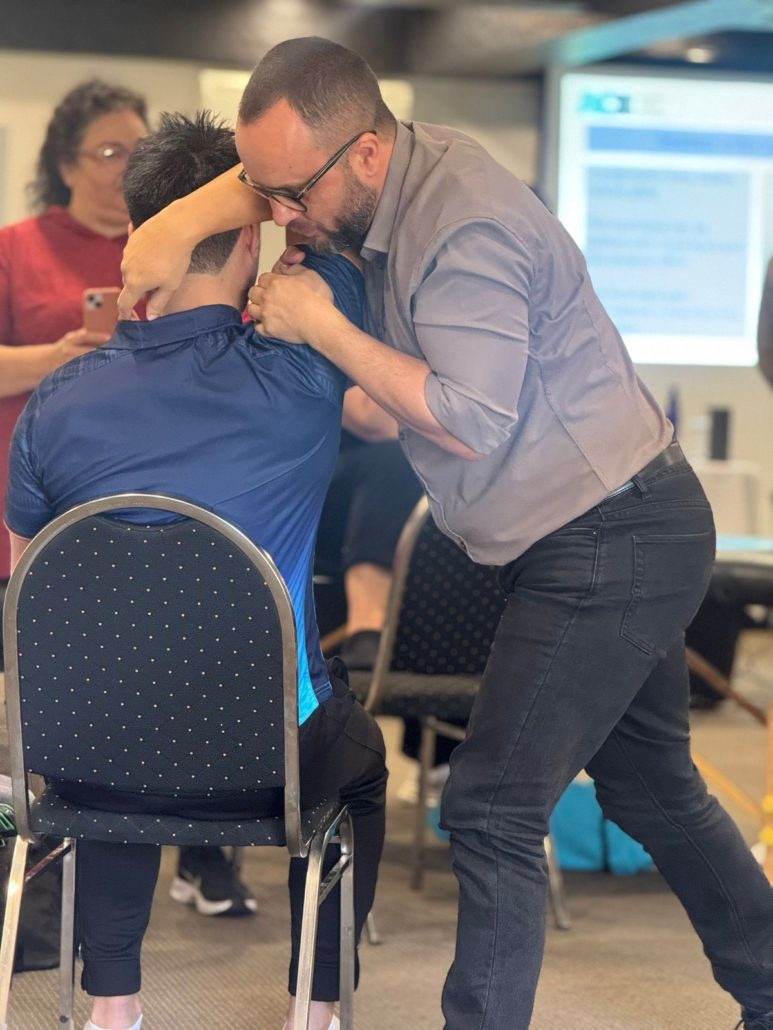
When a patient presents with shoulder pain, it’s tempting to jump straight into the familiar orthopaedic tests. Empty can, Hawkins-Kennedy, resisted external rotation — we’ve all been there.
But how much are these tests really telling us? And are we potentially missing the bigger picture by focusing too heavily on identifying which tendon might be responsible?
Contemporary research is encouraging us to think more broadly about rotator cuff injuries. Rather than simply identifying a painful structure, effective assessment requires us to consider tissue capacity, symptom behaviour, movement strategies, loading history and the patient’s individual circumstances.
Let’s explore some of the key considerations that can help us make better clinical decisions.
1. Start with the story, not the special tests
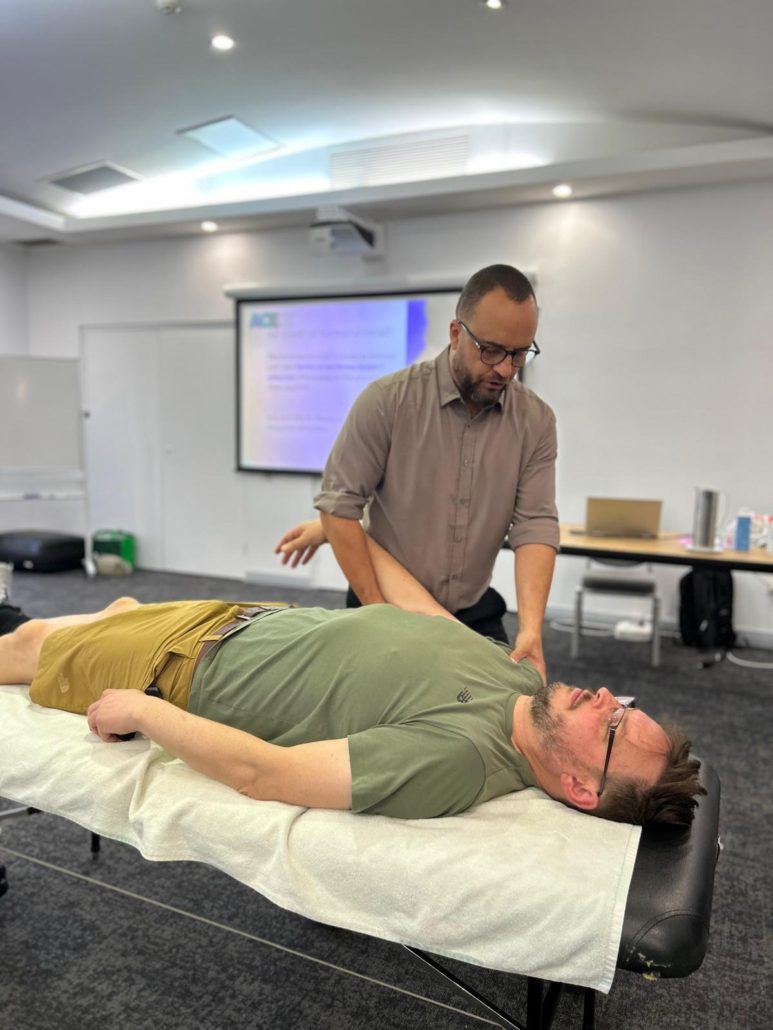
One of the most valuable parts of any shoulder assessment happens before we even touch the patient.
Understanding how symptoms developed can provide important clues about the underlying presentation.
Was there a sudden traumatic event, or did symptoms gradually develop? Has the patient recently increased their training volume, returned to overhead activities or changed their workload?
These distinctions matter. A sudden loss of strength following trauma raises different clinical concerns from gradually developing shoulder pain associated with repetitive loading.
The 2025 clinical practice guidelines by Desmeules and colleagues reinforce the importance of a comprehensive subjective assessment, including loading history, functional limitations, comorbidities and psychosocial factors.
Importantly, we should also consider what the patient needs their shoulder to do. The demands of a competitive swimmer are very different from those of someone struggling to reach into an overhead cupboard.
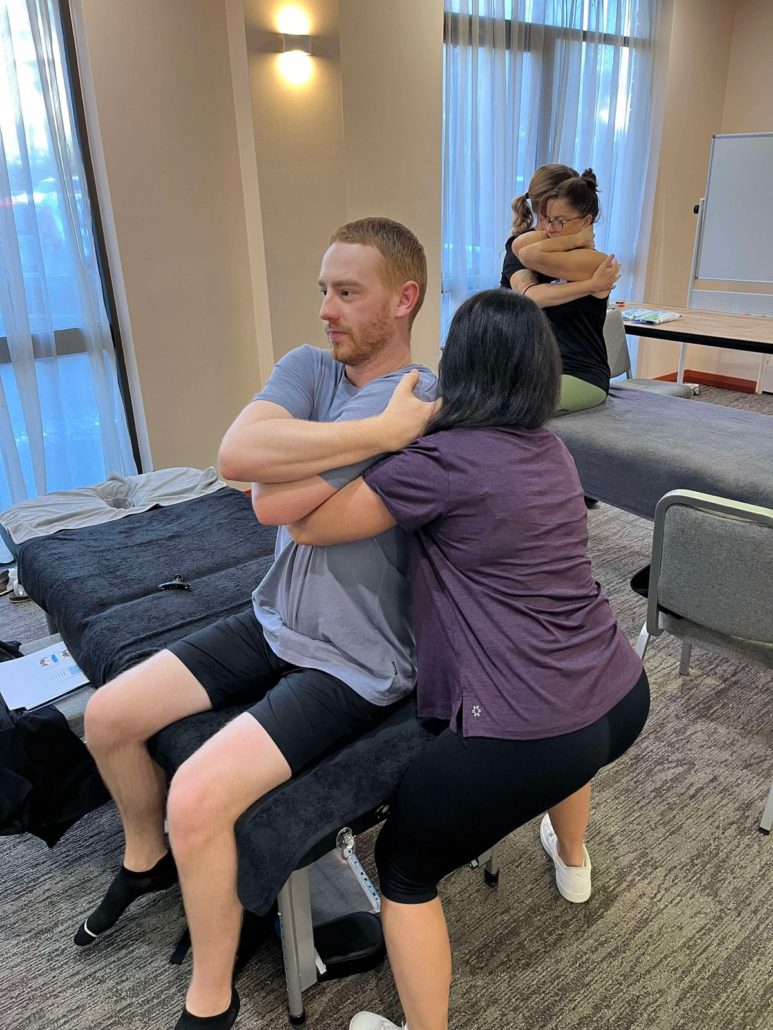
2. Pain doesn’t always tell us what’s damaged
One of the challenges in assessing rotator cuff presentations is the often imperfect relationship between tissue pathology and pain.
A 2025 systematic review by Sanders and colleagues examined rotator cuff abnormalities in asymptomatic shoulders. The researchers identified structural changes, including tendinopathy and tears, in people experiencing no shoulder pain.
This reinforces an important clinical principle: identifying structural pathology doesn’t automatically explain someone’s symptoms.
Pain may be influenced by tissue loading, sensitivity, previous experiences, sleep, stress and broader contextual factors.
When assessing a patient, consider not just where their pain occurs, but how it behaves. What movements aggravate it? How quickly does it settle? Is there night pain? Does repeated activity increase symptoms?
These questions can help us understand irritability and guide how aggressively we assess and subsequently load the shoulder.
3. Strength matters, but understand what you’re measuring
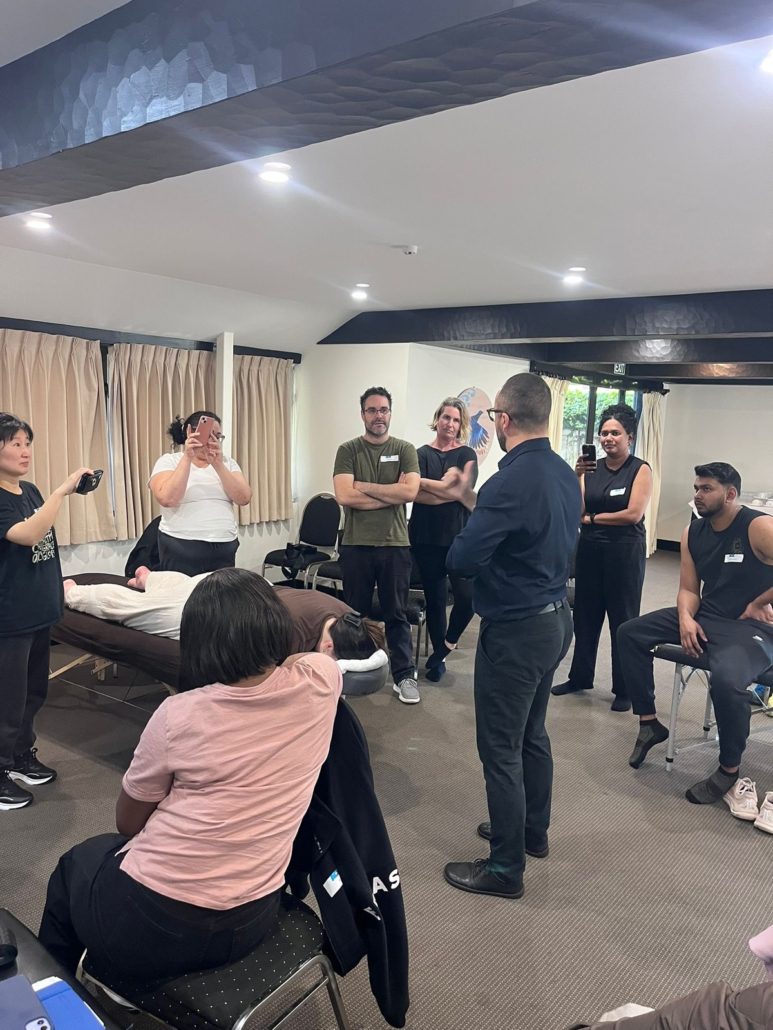
Rotator cuff strength testing remains an important component of assessment, but interpreting weakness requires some clinical reasoning.
Is the patient genuinely demonstrating reduced force-producing capacity, or is pain limiting their willingness or ability to generate force?
Consider comparing resisted external rotation, internal rotation and abduction across different positions. Look for differences in strength, symptom reproduction and tolerance.
The 2025 guidelines recommend handheld dynamometry where available, providing more objective information than relying exclusively on manual muscle testing.
And remember, weakness doesn’t necessarily confirm a tear. Pain inhibition, deconditioning and reduced confidence can all influence performance.
A useful question to ask is: What is limiting this patient’s ability to produce force, and is that limitation consistent across different testing positions?

4. Look at movement, but don’t chase perfection
Scapular movement, thoracic mobility and glenohumeral mechanics all contribute to shoulder function.
However, we should be cautious about labelling movement variations as dysfunctional simply because they differ from an idealised pattern.
There is considerable natural variation in how people move their shoulders.
Instead, consider whether modifying movement changes the patient’s symptoms or improves their functional capacity.
For example, does changing the plane of elevation reduce pain? Does adjusting the load or range allow more comfortable movement?
Assess active and passive range of motion, particularly where restrictions might suggest alternative diagnoses such as adhesive capsulitis or glenohumeral osteoarthritis.
The goal isn’t necessarily to create perfect movement. It’s to identify strategies that improve function and loading tolerance.
5. Special tests are pieces of the puzzle

Orthopaedic special tests certainly have a place in assessment, but their diagnostic value is often less definitive than we might like.
The 2025 American Academy of Orthopaedic Surgeons guidelines highlight that combining clinical examination findings improves diagnostic accuracy for rotator cuff tears compared with relying on individual tests.
This means a positive empty can test shouldn’t automatically lead us to conclude that the supraspinatus tendon is the primary source of pain.
Instead, interpret special tests alongside the patient’s history, strength, range of motion and symptom behaviour.
It’s also important to screen the cervical spine and consider neurological contributions where symptoms warrant investigation.
And don’t overlook potential red flags. Significant traumatic weakness, suspected acute full-thickness tears, deformity, systemic symptoms or unexplained neurological deficits may require timely medical assessment.
6. Imaging is useful, but context is everything
Ultrasound and MRI can provide valuable information, particularly when a significant tear is suspected or symptoms aren’t responding to appropriate management.
However, imaging findings should never be interpreted in isolation.
The 2025 rotator cuff tendinopathy guidelines advise against routine imaging during initial management of uncomplicated presentations, while supporting further investigation when clinically indicated or when symptoms fail to improve with appropriate care.
When reviewing imaging, ask whether the findings align with the patient’s history and examination.
A structural abnormality may be relevant, incidental or simply one contributing factor.
Our role is to integrate that information into a meaningful clinical picture rather than allowing the scan to dictate the entire treatment approach.
7. Assess capacity, not just symptoms
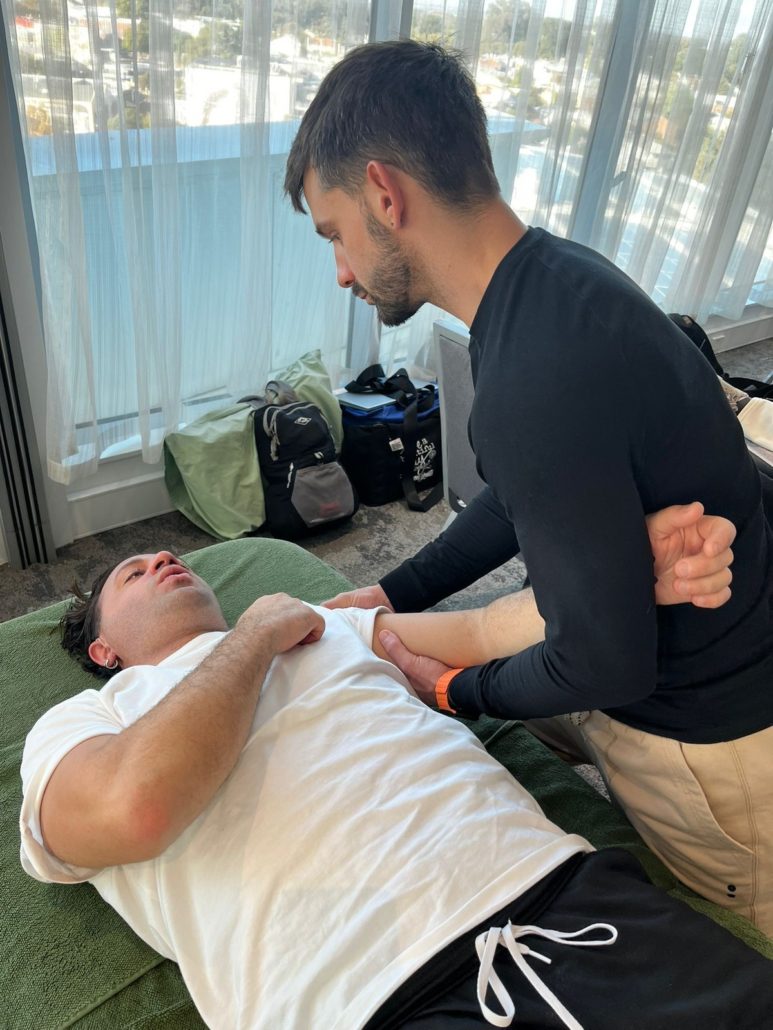
Perhaps one of the most valuable shifts in contemporary assessment is moving beyond identifying painful movements and toward understanding what the shoulder can currently tolerate.
Consider the patient’s capacity to generate force, sustain repeated activity and recover following loading.
Can they perform a movement comfortably once but struggle after ten repetitions? Can they tolerate light resistance but experience prolonged symptoms following heavier loading?
These observations help establish a baseline for rehabilitation.
They also provide a practical way to monitor progress beyond simply asking whether pain has improved.
Bringing it all together
Effective rotator cuff assessment isn’t about finding one positive test or identifying a single damaged structure.
It’s about developing a comprehensive understanding of the patient’s presentation, the factors contributing to their symptoms and the demands they need to return to.
The contemporary evidence encourages us to combine sound clinical reasoning with objective assessment, an appreciation of pain complexity and an understanding of individual loading capacity.
Ultimately, the quality of our assessment determines how effectively we can guide progression.
And perhaps that’s the most important question we should be asking: not simply what is causing this patient’s pain?, but what is preventing them from doing what they need to do, and how can we help them move forward?


References
1. Desmeules, F., et al. (2025). Rotator Cuff Tendinopathy Diagnosis, Nonsurgical Medical Care, and Rehabilitation: A Clinical Practice Guideline. Journal of Orthopaedic & Sports Physical Therapy, 55(4), 235–274. https://doi.org/10.2519/jospt.2025.13182
2. Sanders, S., et al. (2025). Rotator Cuff Imaging Abnormalities in Asymptomatic Shoulders: A Systematic Review. Journal of Orthopaedic & Sports Physical Therapy, 55(12), 736–751. https://doi.org/10.2519/jospt.2025.13611
3. American Academy of Orthopaedic Surgeons (2025). Management of Rotator Cuff Injuries: Evidence-Based Clinical Practice Guideline. https://www.aaos.org/rccpg2025
