Are you measuring the right things
Subjective and objective assessments are a requirement for allied health professionals to complete when providing care. This helps to set appropriate expectation for treatment outcomes, guides clinical reasoning, and informs a well-reasoned treatment plan.
A patient with the presenting complaint of persistent shoulder pain would very likely be asked to provide a VAS of pain, perform measured AROM, and a cluster of orthopaedic testing. After several sessions, their VAS may decrease, there may be 20° more active shoulder abduction, and they may now have a negative empty can test. But the patient may still have persistent shoulder pain with their occupation, chosen sport, or hobbies.
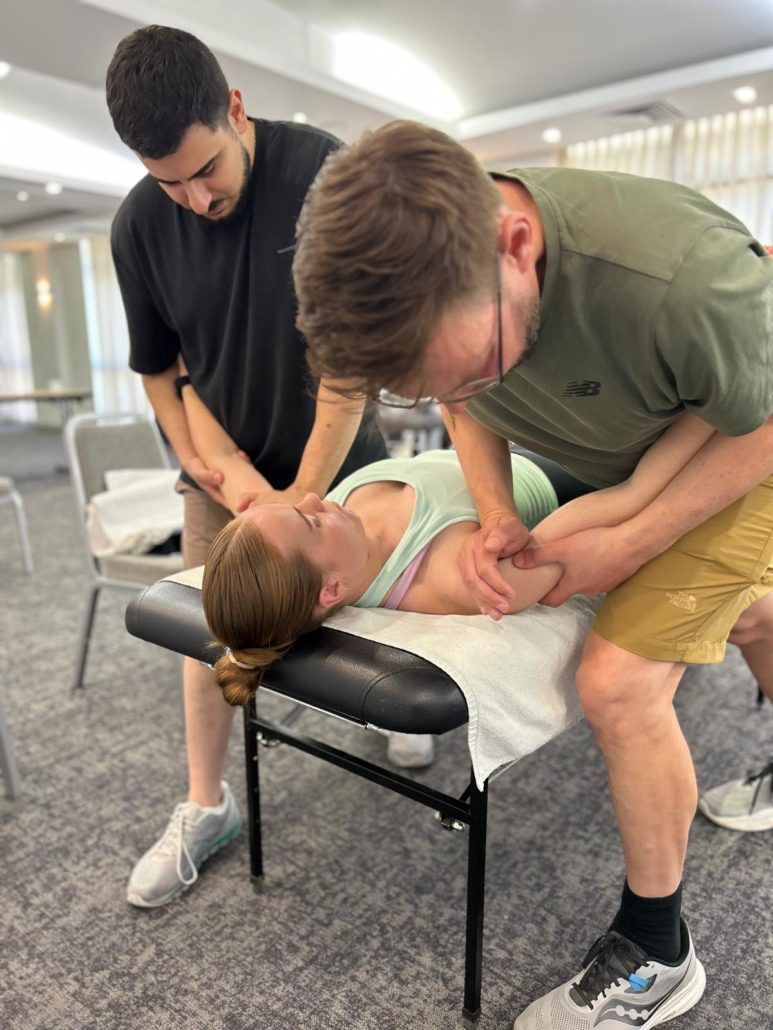
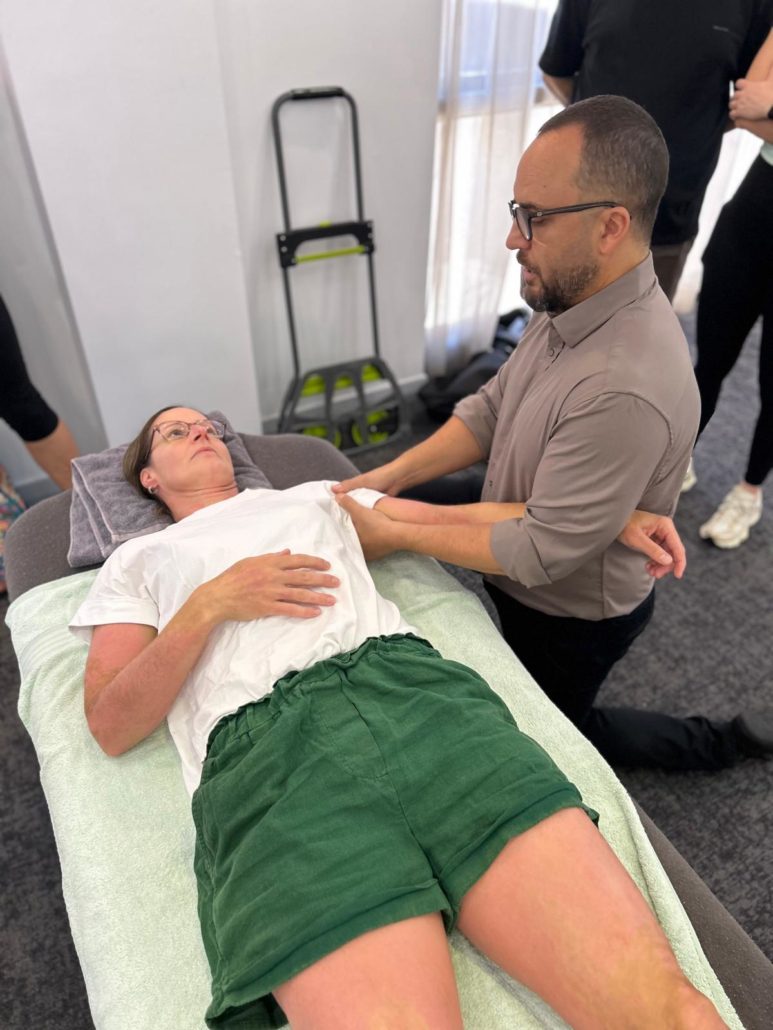
Providing these objective measures are great for patient recipience and engagement with an ongoing treatment or home exercise plan. It provides them with clear data but it also may be lost if it’s not appropriately explained how or why it is important and the impact it has on their complaint.
We can make a shift and take the focus away from more easily quantifiable measures, and toward assessing more meaningful improvement.
This can be broken into three broader categories when assessing patients – Physical ability, Functional capacity, and Intrinsic confidence.
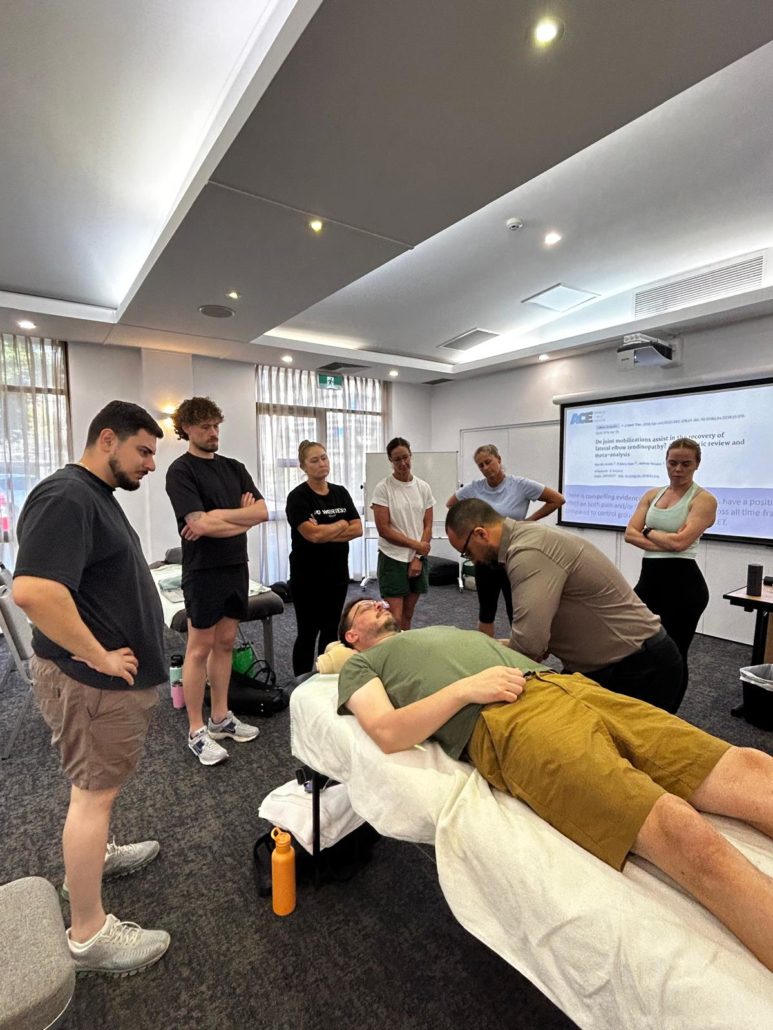
Looking at the patient’s physical ability may seem the closest to the previous examples. However, there is a focus on the broader scope of the patient’s ability.
Instead of individual AROM measures or isometric strength tests, it may be assessing a more functional movement such as squat or overhead press strength, mobility to perform a hip hinge, single legged calf raises or a squat endurance test. These assessments provide a greater idea of the patient’s physical ability, their load tolerance, and what movement capacity they have to be able to perform these tasks.
You may not use the above examples, but you can test these more functional assessments with relevance to the patient’s history and desired outcomes of treatment.
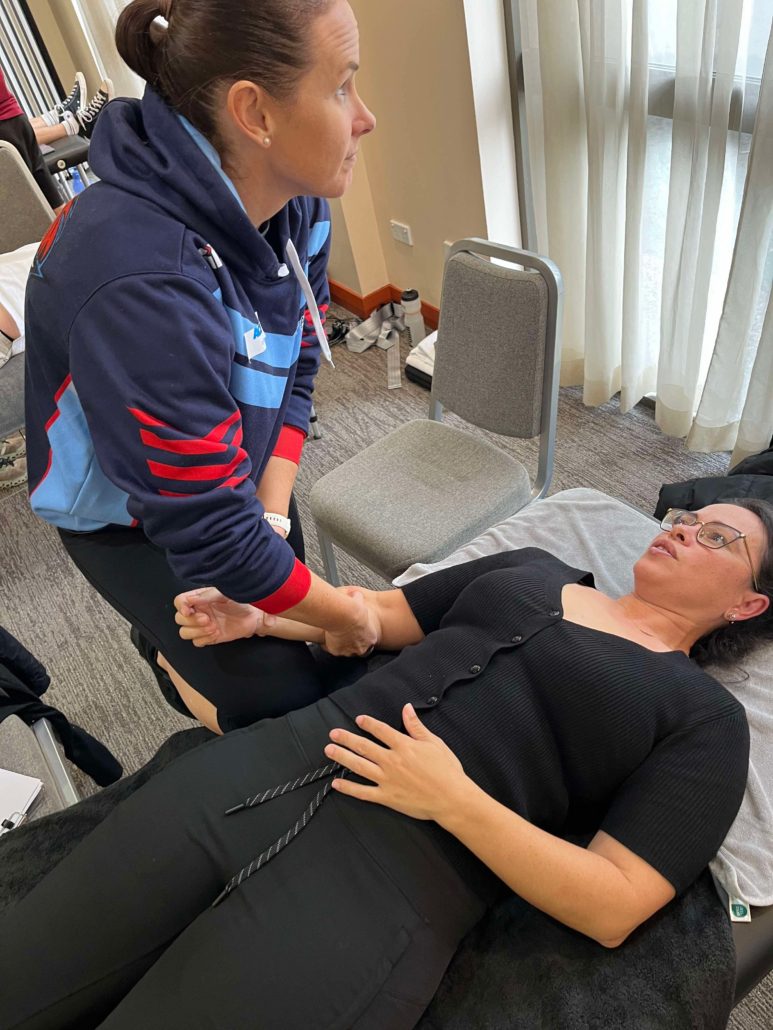
Their functional capacity is quite similar but is relating it to the individuals’ activities of daily living.
The physical ability to perform a box jump gives you sound information with a safe environment, but the functional capacity for a basketball player to be tracking their opposition, turn, and jump to intercept a pass and then land reveals more information. You might replicate this in an assessment by having them perform a similar movement in an open space without risk of landing on another player or taking contact in the air.
A patient’s functional capacity may be a lot simpler than this and you may replicate an avid gardener by having them bend and rest on one knee, moving a kettlebell from one side and placing it in front of them.
These examples give you much clearer feedback on how your intervention is progressing, relevant to the work, sporting, or recreational activities and demands your patient faces.
Finally, whilst completing both above measures, you can assess your patient’s intrinsic confidence. This is questioning the capability and confidence that they have when performing activities.
You may even assess this prior to completing any tasks, asking your patient, “What do you most fear will happen if you move this kettlebell?”
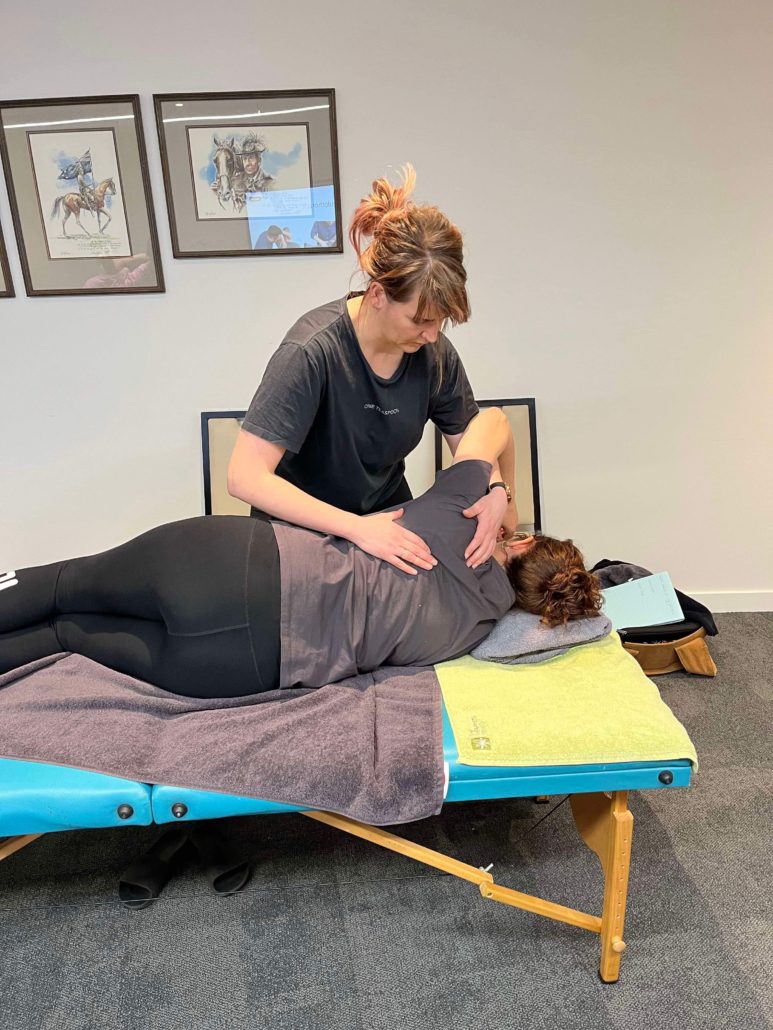
This will highlight the self-efficacy, confidence, and fears that your patient is facing. They may be experiencing kinesiophobia – a fear of movement or exercise – providing you an opportunity to empathise, reassure, and inform your patient on their capability as well as adapt your treatment plan or exercises to account for their fears.
If they’re comfortable to perform the physical and functional measures, you may be asking them to share how they feel whilst performing the activities, are they confident in moving the kettlebell, are they ready to simulate an opponent contacting them whilst they jump for an intercept, can they freely explore other ranges of movement without fear of reinjury?
It’s important that these three measures are done after having established clear goals. This will help to identify whether one, or a combination of each of these are important in your treatment plan and allow for a patient centred approach. It also clearly defines what the patient wants to achieve, rather than focusing on trying to improve their VAS or AROM measurements and hoping that this will translate into managing their complaint.
Reassessment is equally important and utilising this regularly will ensure that you’re continuing with effective interventions. These three measures should continue to be part of the ongoing treatment not only across sessions, but also throughout a single session, to gauge how they’re responding to interventions provided.
We shouldn’t lose what works while fixing what’s broken, though. Utilising a physical ability, functional capacity, and intrinsic confidence framework is compatible alongside individual or isometric measures and is maybe even more effective if you utilise both to show patients that there is objective improvement through treatment.
Continuing with AROM and orthopaedic assessments can give you and your patient confidence to move onto the above examples of this framework and gauge their capacity. You can provide insight from your findings, and support why they may or may not then complete these functional assessments, replicating their activities and goals.
If you’re already completing the first measurements used as an example – VAS of pain, AROM or PROM measurements – you can slowly integrate any of the three categories as you find confidence in asking these questions or directing movements relevant to your patient’s complaint and gain more insightful findings and informed clinical decisions.