
Creating clinical protocols and bedside drawers
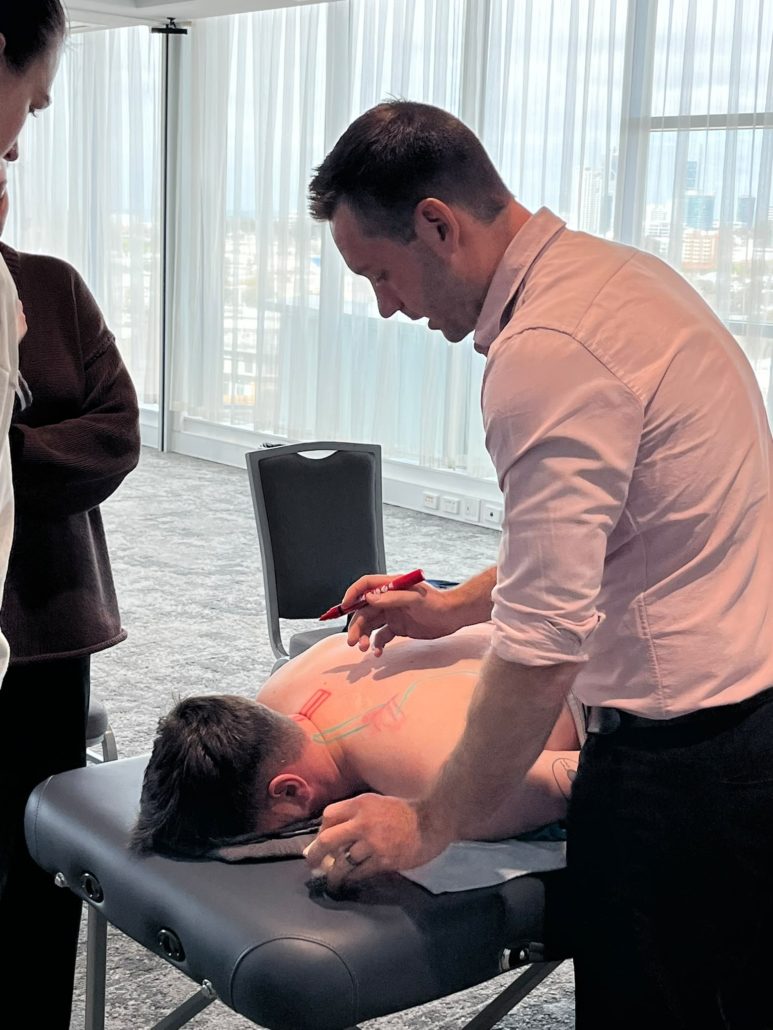
If you’ve attended an ACE course before, the chances are that you have experienced something like the following examples:
When demonstrating needling of the infra and supraspinatus, an attendee asking, “What would be the steps you take to treat someone with a frozen shoulder?”
When practicing a lumbar joint mobilisation, someone asking, “What treatment and advice would you give to someone with spondylolisthesis?”
When halfway through our functional cupping course, a question about “How do you use this for someone who has hyperkyphosis?”
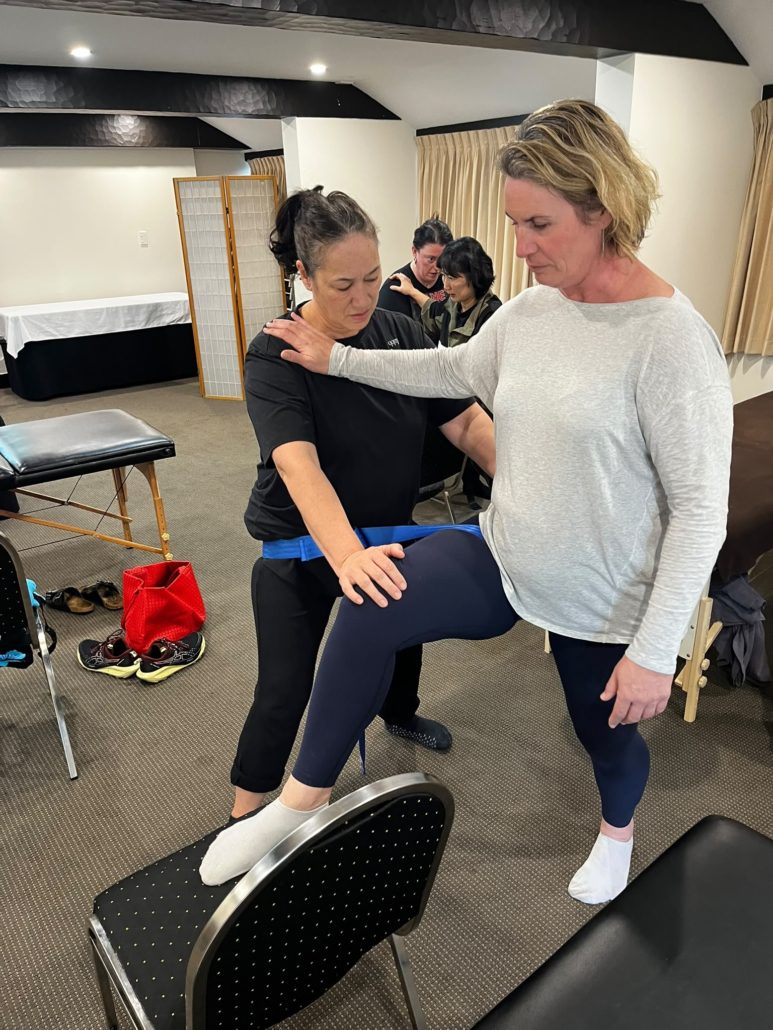

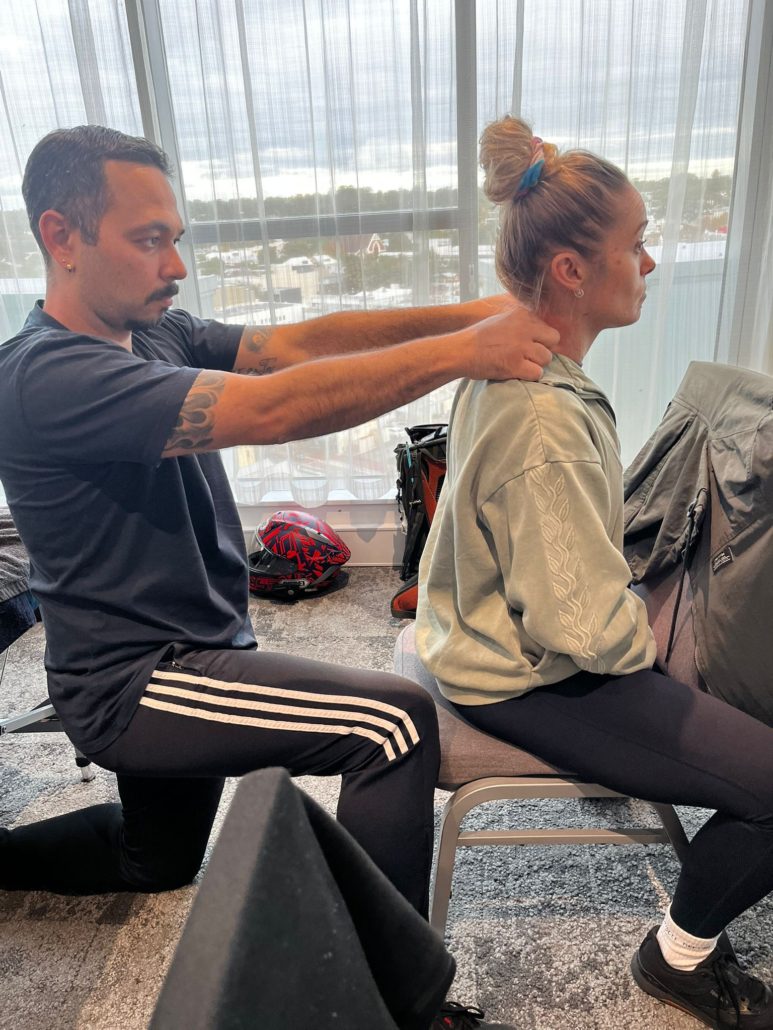
It’s become a meme for health care professionals on social media, but our answer is often, “It depends.”
Personally, my reluctance to provide some sort of protocol is because that is working on several assumptions. In the above examples, there’s an assumption that the structures or pathologies mentioned correlate to a patient’s presentation. They very well may be an influence, but there is usually too limited time during a course to talk through a thorough patient history for the case study in question as well as the provocative and relieving factors, patient preferences, beliefs, understandings, fears and motivators… the list goes on.
Providing any sort of answer and especially one that is focusing on a manual therapy intervention minimises the importance of each of these areas that should be considered when developing a treatment plan with a patient.
One of my other concerns lie in the possibility that providing a specific intervention without these understandings will not have as strong of a therapeutic effect, damaging the trust and rapport between the patient and practitioner. But a recent conversation with another therapist and some personal reflection had brought me around to the idea that a protocol is not such a sin after all.
You’ll understand this analogy if you’ve ever purchased a flatpack bedroom suite or put together a few furniture pieces:
Imagine asking a cabinetmaker for advice on how to put together an Ikea bedside table. It’s relatively simple, with one drawer, four legs, and a storage shelf at the bottom. Only to be told, “Sorry, it really depends on the individual table. There are so many variations, and I couldn’t tell you what you need without seeing it for myself.”
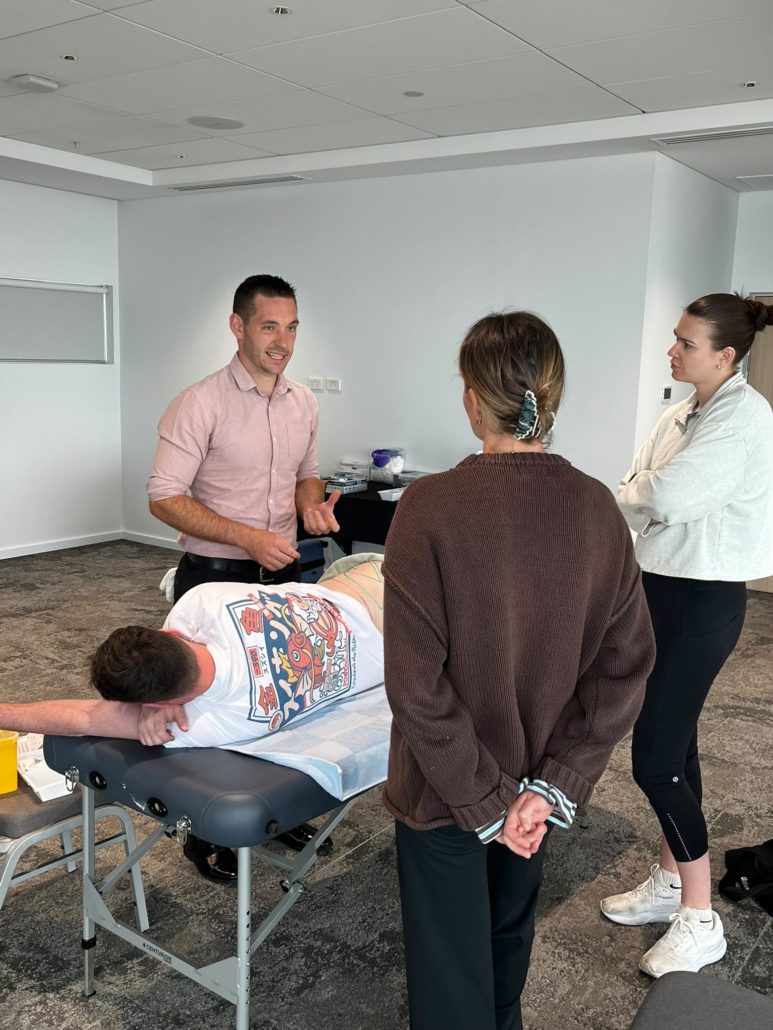
It’s a very fair and reasonable comment, but you could do with some advice, even if it’s not specific to the bedside table you’ve purchased.
Once you get through the first bedside table on your own, you realise that it will help you understand how to build the chest of drawers, even if there are different pieces and more steps. Building both will help you with the wardrobe and remembering that the laminated-ply back wall should be facing into the wardrobe, and not outward, like I’ve mistakenly done a few times.
Of course, each bedroom piece is its own puzzle and has specific tools and instructions that work best, but understanding the steps to build one will help you adapt them to build others. Much like having treated a patient for a lateral ankle sprain in the past will help inform how you approach your next patient with an ankle sprain. You can draw from that experience, what you used that worked well, and not so well, and adapt it to what the next individual is experiencing, whether it is the progression of exercises, manual therapy intervention, or better conversational skills to understand the lifestyle factors that may be impacting their progress.
Even a patient who hasn’t sprained their ankle, but is having plantar heel pain, would benefit from the advice you shared of how to minimise load in the foot and ankle and work toward improving their capacity to do so.
The time available during our 1- to 3-day courses is still a limitation to being able to provide an advised protocol of sorts for any given condition, so I still wouldn’t be able to go through an A-Z of treatment plans. But I’d hope that the Ikea analogy might encourage you to share your experience or a suggested starting point for a colleague, someone you mentor, or during the morning tea break at the next professional development course you attend if the topic comes up. It might even help if you’ve ever experienced guilt for recognising repetition across your treatment plans for a day or week.
Our 2027 Italy Manual Therapy Retreat follows this idea, with each workshop incorporating the theme of progression. Progression within the industry, your self-progression, but also how you may progress treatment plans for common presentations, building an understanding of the individual patient, and how to create a progressive path forward for both of you.
Think of it as learning how to build the most common Ikea furniture, and understanding the nuances and how to approach variations for different pieces you may buy in the future.
