
The part of treatment no one talks about
As clinicians and particularly as manual therapists, we often spend a lot of time thinking about the ‘manual therapy stuff’ that we do…
Techniques.
Dosage.
Assessment.
Clinical reasoning.
Exercise selection.
Mechanisms.
Pain science.
And rightly so, they all matter.
But there is another ingredient in our practice that can dramatically shape the success and the outcome of a treatment.
The relationship.
The therapeutic relationship or the therapeutic alliance.
The Therapeutic Alliance
The therapeutic alliance is not just about being ‘nice’ clinician, or wanting to do a good job for your patients. It is the working relationship between a clinician and patient (or client), focused on collaboration, trust and empathy. Fundamentally it is based on 3 key pillars; mutual agreement on goals, consensus on how to reach those goals, and a strong personal bond. This working relationship between clinician and patient is recognised in research as a key driver of positive treatment outcomes in healthcare.
The key ingredients in the therapeutic alliance are; meaningful dialogue, patient participation, authenticity, unconditional positive regard, empathy, trust and collaboration. Which raises an interesting question for therapists – can you have a strong and effective therapeutic relationship without sharing something of yourself in that relationship? What role should self-disclosure (from the therapist) play in building and maintaining that alliance?

Self-disclose, is it Unprofessional?
Some practitioners have been taught to keep themselves completely out of the treatment room. Stay neutral, say little about yourself and your personal life, and keep interactions strictly task-based.
This was certainly the messaging I leant when I first began my studies, and it has very good intentions at its foundation. Boundaries are important, they serve both you and the patient. They help you maintain your professionalism and help keep the session focused on the patient.
But how then, do we build the therapeutic relationship? For me, to build a meaningful relationship, particularly one that is trusting, empathetic and meaningful, there needs to be some element of vulnerability shared by both parties. Or if vulnerability sounds a bit too….well, vulnerable…. Self disclosure.
Self disclosure (or vulnerability) doesn’t mean that you need to be unprofessional. Just as being distant and robotic is also not the same as professionalism.
As humans we are generally very good at detecting presence. We notice when someone is warm and welcoming, we notice when there is tension in a room or between two people. We can also detect when someone is not really ‘present’ and simply going through the motions. Patients are particularly good at noticing this because they have paid for you to be present with them – they’re actively looking for your presence.
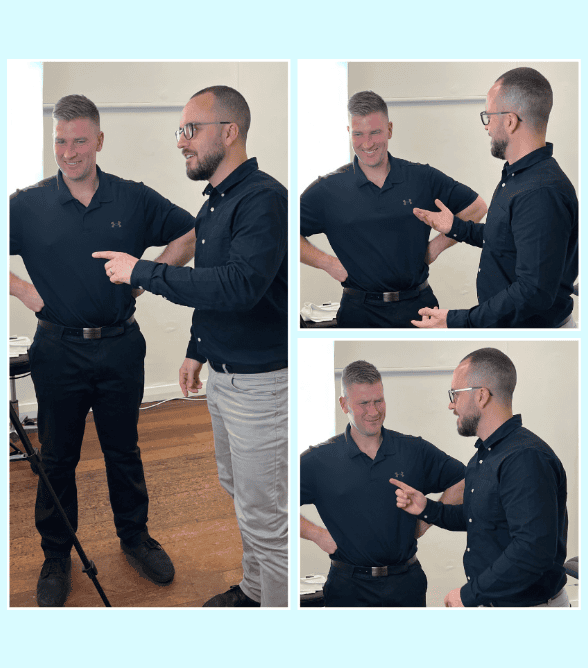
“Self disclosure can be one way that we can show them our presence.”
Used well, appropriate self-disclosure can help humanise a clinician, lessen hierarchy, model authentic communication, and create the sense of safety and bravery that allows a patient to speak more honestly.
Sometimes, a small, thoughtful piece of disclosure from a therapist says: “I get it. I am a person too. You can talk honestly and know that I’m not judging you”.
That can have a significant impact.
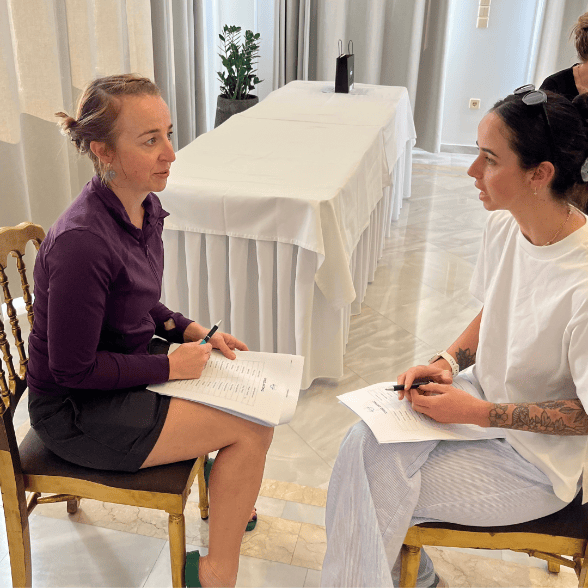
How self disclosure can strengthen the therapeutic alliance
When used well, at the right moment, for the right reason, self disclosure can help a patient to feel less alone.
It can foster empathy, reduce feelings of shame, and soften power differentials. As a practitioner it is how you can model direct, calm and emotionally mature communication for patients.
For a patient who may be guarded, highly self-conscious, or uncertain whether they are ‘too much’, a carefully chosen disclosure can sometimes create the space (and the permission) for honesty.
For the patient who may feel uncertain about their symptoms, or uncomfortable disclosing information they feel is too personal or ‘too much information’, a carefully chosen disclosure can enable them to feel seen and understood.
Not because we are trying to become their friend. But because we are trying to build our therapeutic relationship in order to support all the other good work that we do in the treatment room.
This is particularly important in manual therapy, a profession where treatment is very hands-on, within a patient’s personal space and shaped by moment-to-moment feedback. For the treatment to even occur let alone have a positive effect – we need a strong therapeutic alliance at the foundation.
I believe trust is the prerequisite for our treatments to land in the way that we intend. No matter how well designed, thoughtful or evidence-based a treatment may be, if a patient doesn’t feel at least some degree of safety and trust, their nervous system is less likely to fully respond the way that we would anticipate.
But to be clear: not all self-disclosure is helpful
This is where those blurry lines come in.
There is a difference between sharing with purpose and sharing because the silence feels uncomfortable.
There is a difference between using a small personal disclosure to support the patient’s process and using the consult to meet your own needs.
These are not the same thing.
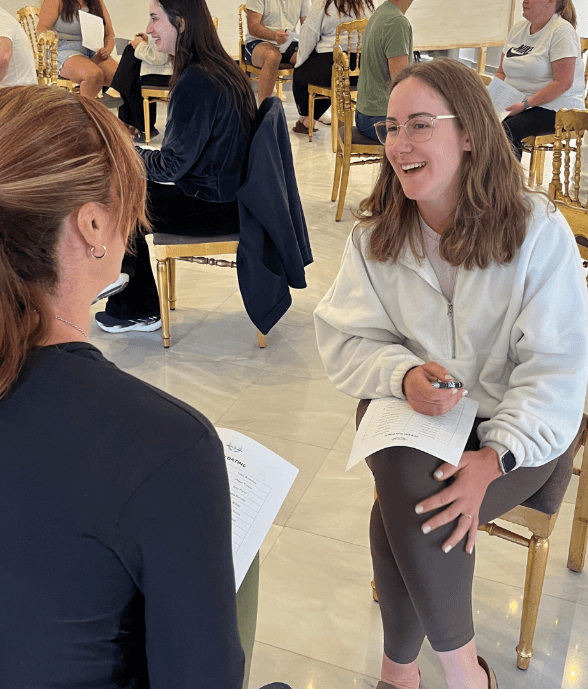
Self disclosure and vulnerability in a therapeutic relationship are not about just being honest. They are used selectively, for supporting the patient.
When self-disclosure doesn’t serve the patient
Self disclosure can become unhelpful when it:
- Shifts the centre of attention of the session onto the practitioner
- Interrupts the patient’s thinking or emotional processing
- Asks the patient to emotionally care for, reassure or manage the emotions of the practitioner
- Is used too often, too early, or without a clear reason
- Is solely about relatability, rather than as a tool for good care
A patient may come in trying to make sense of pain, injury, uncertainty, fear, grief, frustration – or all of the above! They may be working up the courage to say something difficult or share a hard truth. At the same time, they may be trying to work out whether you are ‘safe enough’ to be honest with.
This isn’t the moment for us to tell our story because it feels relevant.
Relevance is not enough. Usefulness is the test.
Final Thoughts….
Manual therapy isn’t just about the techniques to the tissue. Nor is it just about the quality of our clinical reasoning, the detail of our communication or the fluffiness of our towels (although, to be fair, fluffy towels do matter. But that’s a conversation for another time).
It is also about the human interaction. The communication. The connection.
Self disclosure can help strength the human connection. It can foster empathy, build rapport, and support shared goals. But only when it is in service of the patient. Not the clinician’s discomfort, identity, or needs. The skill is not in simply being open, but in being intentional – knowing where a small moment of humanity can deepen trust, and when restraint better protects the space the patient needs. That line matters. Because good care is not just about what we do, but how we show up while doing it.
