My Back Pain Diary: Choosing Curiosity Over Fear
My favourite day of the week is deadlift day…After a brisk 15-minute walk to the gym, I cut a bee line and went straight to the deadlift platform.
I started with two warm-up sets at 60 kg, ten reps each.
Then added two more plates for the next set.
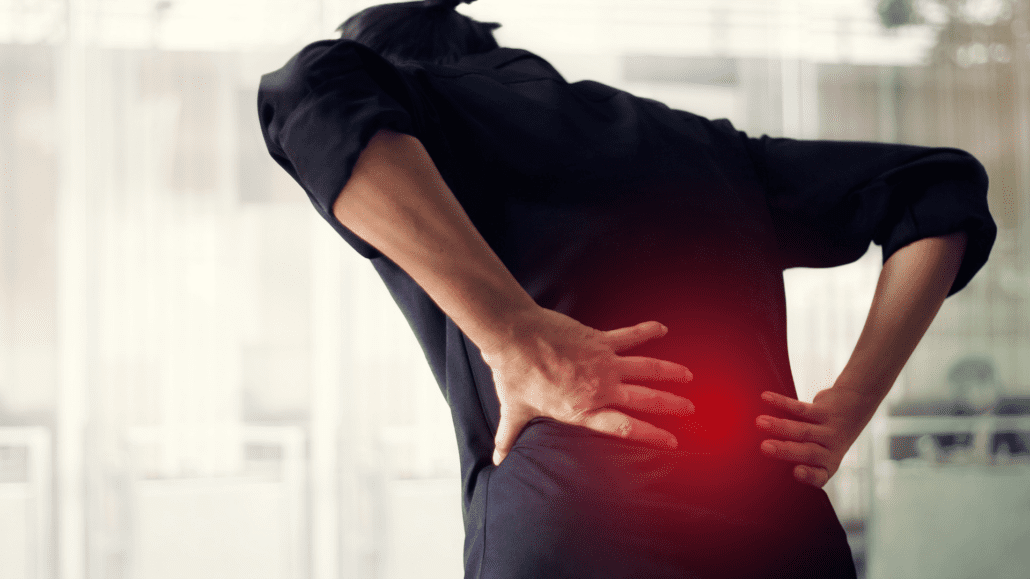
On my second repetition, I felt a sudden pop in my back.
This resulted in an instant pain. An inability to fully stand upright. Bracing, breath holding… I am sure you know exactly what I mean!
However, I was immediately consumed by a surge of worry. It was like my life the next 3 months flashed before my eyes with all of things that I won’t be able to do! (Talk about pessimistic right?!)
That popping sensation was quickly linked, in my mind, to serious injury. Disc. Damage. Radiculopathy. Something structural. Something bad.
I knew I needed to get out of the gym quickly to save any embarrassment of not being able to move… I unracked the weights, and slowly walked home. What followed wasn’t just pain, it was anxiety and uncertainty, not only about the next few weeks or months, but about how the rest of that day might unfold. Fortunately, I have a reasonable understanding of how these types of injuries behave, so I was anticipating it to get worse before it got better. I know the best thing I could do, is to keep moving. It was like I was trying to stay ahead of the potential inflammatory component and muscular spasm.
The inner scientist in me was curious about how this would unfold. So, I thought I would record a diary for a few days about my experience.
Day 1 – Fear & Anticipation
The morning was dominated by fear.
Not just fear of pain, but fear of progression. I was already how I was planning to manage my immediate future with an injury.
- My initial thoughts were, sitting will be impossible. How will I work today. I won’t be able to drive. I’ll have to cancel appointments. Sitting on a plane for 5 hours next weekend will be out of the question. This obviously adds added stress.
I expected sitting to be the biggest problem. But, what I didn’t do was focus on posture, I sat in the most comfortable position, then I moved.
- I rolled on the floor regularly. Rotation, flexion and extension movements etc.
- Cat–cow movements.
- I used a heat pack regularly and moved with it on.
I noticed altered sensation in my right thigh and leg. There were two distinct patch-like areas, one in the lateral thigh and one in the lateral leg – consistent with the L5 dermatome.
I experimented further. Extending my knee, similar to a slump test, reproduced back pain. Same with straight leg raise. Even just neck flexion reproduced back and leg symptoms.
Instead of avoiding these movements, I did the opposite. I explored them. Slowly and progressively.
Despite to back pain, I felt curious — even excited (I know that sounds sick…). Yes, it was uncomfortable. But instead of worrying, I chose curiosity. This is, after all, the exact advice I give others.
But I felt it go! Understanding why a person’s beliefs are so important
What really stood out was the mechanism of injury. There was a clear mechanical event that matched symptoms. Reflecting on that helped me understand why it’s so hard to tell patients their backs are robust. Injuries do happen — but how we interpret them may be the most important factor.
It can be hard to regain trust in your back when there is a specific mechanism linked to the experience of pain.
How I reassured myself
ven when pain feels serious, are there serious signs? I found myself constantly checking:
- I can calf raise.
- I can sit to stand. I can squat.
- Theres no unexplained symptoms
- Heat improves movement.
That told me something important. Motor function was fine, and that was reassuring. This didn’t feel like damage — it felt like protection and spasm with some sensory changes.
I was still worried about sleep and the next day, thinking “will this be worse when I wake?” but I stayed optimistic.

Day 2 – Movement Over Fear
I woke stiff and apprehensive but relieved the symptoms hadn’t progressed. There was still some thigh and leg numbness — more like the sensation of something on my skin than deep pain.
My focus for the day was simple: keep moving. Luckily this was a busy day, and I walked around 20,000 steps.
What I noticed was that pain itself wasn’t stopping me, fear was. Fear of moving awkwardly. Fear of lifting. Fear of making things worse. Importantly this was an anticipation of pain, not pain itself and the main limiting factor.
Whenever I had a spare moment, I did small doses of movement:
- Five squats.
- Five lumbar flexion movements.
- Floor based mobility
What was interesting is that when I was sitting on the lounge, I caught myself preparing for pain before moving to stand up. Breath holding. Bracing. Creating tension. And sure enough, as soon as I braced and stood up, there was pain. So I changed strategy.
I slowly moved into the position of pain, deliberately relaxing. Each repetition became easier. Floor-based mobility and gentle rotation followed. Hip flexion in SLR aggravated symptoms, so I explored it rather than avoided it. I made these a part of my exercises to gradually expose myself to sensitive movements.
The theme was becoming clear, movement mattered more than protection.

Day 3 – Expectations Shape Experience
Walking was the first thing I did upon waking.
Coughing and sneezing carried an expectation of pain. Many movements did. But instead of resisting that expectation, I treated it like an experiment. I leaned into it with curiosity.
I also paid attention to things often overlooked in acute injury:
- Nutrition stayed on point with fresh, wholesome food, minimal sugar.
- Sleep mattered.
- Stress management mattered.
- Mindfulness and relaxation became tools, not afterthoughts.
I noticed a subtle change in my gait that included a shorter left stride. I didn’t allow it to become habitual or maladaptive. I found this interoceptive practice to be insightful, I was able to use mindfulness strategies to observe and explore different behaviours and feeling to understand the ‘WHY’ and allow myself to be comfortable with the uncertainty of pain.
Looking back, I genuinely believe recognising these signs early prevented the transition into protective, maladaptive patterns. Curiosity replaced fear.
So, the question becomes, which side of the fence do we choose?
When It’s YOUR Pain, Everything Feels Different
About 2 weeks before my episode of back pain, my wife experienced acute neck pain. She repeated my own words back to me (things that I often tell my own patients including reassurance, normal symptom behaviour, and self-management strategies).
BUT
My immediate internal response?
Yes… but this is different… Mine feels more serious.
And I believe that thought runs through almost everyone’s mind. (And it’s true to some extent, everyone’s pain is an individual experience).
My pain is different.
It’s easy to challenge beliefs in others, but its much harder to challenge our own beliefs. I think the real change requires experiencing the difference firsthand and being curious enough to question our own behaviours.
You could argue that my pain wasn’t that serious, and you might be right. But it was my experience.
I was as prepared as possible. I knew the red flags. I knew bowel and bladder function were normal. Strength was normal, it was just uncomfortable. I knew this was likely a self-limiting condition. I was in control of the management
- I could have rushed to hospital.
- I could have sought pain medication.
- I could have rested, avoided movement, or demanded imaging.
- Instead, I backed myself and rode it out.
Not everyone has the same experience, and that matters. But the power of appropriate advice, delivered at the right time, can be life changing.
As the next few days progressed, I noticed local left-sided lower sacral pain, a deep ache in the right lateral thigh. Still a positive slump, even with neck flexion alone.
I continued walking and was back in the gym using machine weight (so I had some more back support) for my upper body). At day 14, I was back to normal training volume and intensity with no pain.
Interestingly, I still noticed anticipation of pain in the morning and when rising from a chair. I moved cautiously — despite there being no pain.
Several weeks on, I still have apprehension about heavy deadlifts. And don’t get me wrong, I still believe they are one of the greatest exercises, sometimes injuries happen doing things that we enjoy, it doesn’t mean that its bad or dangerous. However, after emotionally salient events, we don’t forget very easily. This is how our brain tries to keep us safe!
Even now, about two months on, there is this underlying anticipation of danger especially, if I train in the morning, train at the same deadlift platform, or even feel the slightest sensation in my back. I have a hypervigilant response. Fortunately, I have absolute faith and trust in my back, but uncertainty still creeps in and says “Hey, be careful”. Just remember to be curious and not avoidant.
Remember
Back pain is rarely just about tissue. Most back pain is not serious (But can be very scary!).
It’s about expectation, interpretation, and the stories we tell ourselves about what pain means. I was fortunate to have the knowledge and confidence to navigate this episode. Many people don’t. That’s where YOU can play a huge role.
Appropriate education, reassurance, and guidance can make all the difference. This is the power that you have in your hands as health professionals.