
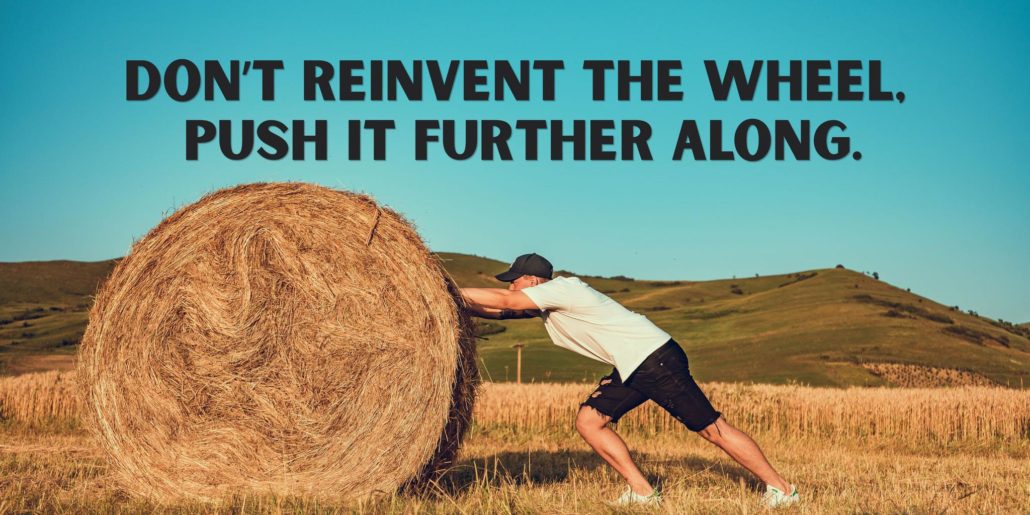
Don’t Reinvent the Wheel, Push it Further Along
I was reading the comment section of a physiotherapist’s Instagram post where they had used an AI generated poster to convey quite thought provoking, evidence-based messaging. A commentor called it ‘AI Slop’ and that ‘if you continue with this, I’m going to unfollow you.’
The therapist replied, ‘What about this makes it “AI slop”? I have used AI, but I put in my own specific prompts for the messaging. I provided several citations to be included. I proofread the message before posting it. Is using any other type of software that utilises AI tools, considered “slop” to you?’
This is the kind of difficult question that I find interesting to reflect on. Questions such as – When is a handful of sand no longer a handful? How much AI assistance can be utilised until it’s no longer original content? How much information can we repeat until we’re no longer the ones informing our patients – we’re just recycling information we’ve heard before?
What I appreciate most is that the answers to these questions are all relative.
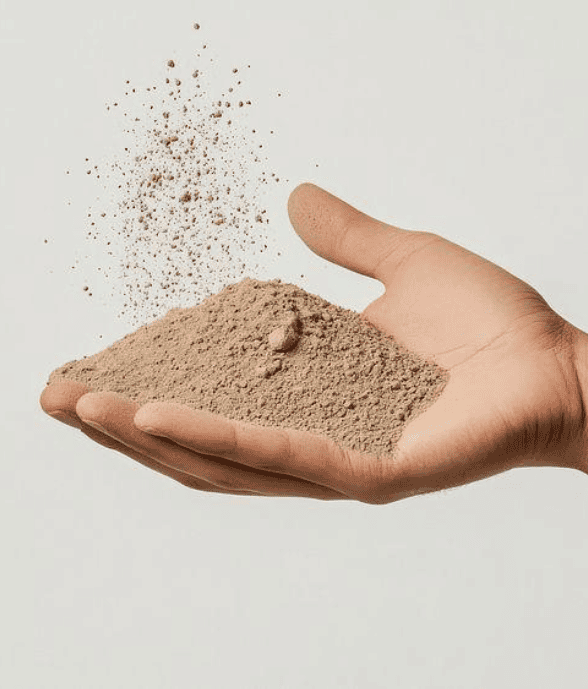
A pile of sand is always a handful, relative to the size of the hand.
AI generated content is original, relative to the level of effort utilised (if someone digitally rendered or painted an ‘AI slop’ poster, that would be the same as any other original work).
And, most importantly, the way that we choose to recall and convey other people’s research and information, means that we’re providing our own teachings.
I have met a personal barrier in the past that stopped me reaching out to a mentor more regularly. I was concerned that I was leaning toward them for too much support of my own growth. I hadn’t noticed any sign of annoyance from them, but I was of the assumption that they achieved their own understanding and knowledge through independent study, therefore, so should I. If I didn’t take the opportunity to do this, I thought I’d be providing a subpar copy of their service.
There’s no telling what delay this may have on someone’s growth if they’re restraining themselves from asking for support. There’s an equal unknown in how this helps develop one’s self-dependence, growth, and introspection. But, when you do have someone offering support, there is no shame in taking that offer onboard.
No one has truly experienced such independent development that we need to try and model our behaviour after this. From completing undergraduate study, post-graduate courses, reading research articles, listening to podcasts, reading blogs… All this information helps us build our own expertise on top of the groundwork laid by those prior, and everyone has had this same learning experience. What is empowering for the individual is that no one has had the same recipe of information as another person. We interpret this information ever so slightly different to our colleagues, sharing that with our patients in our own unique way.
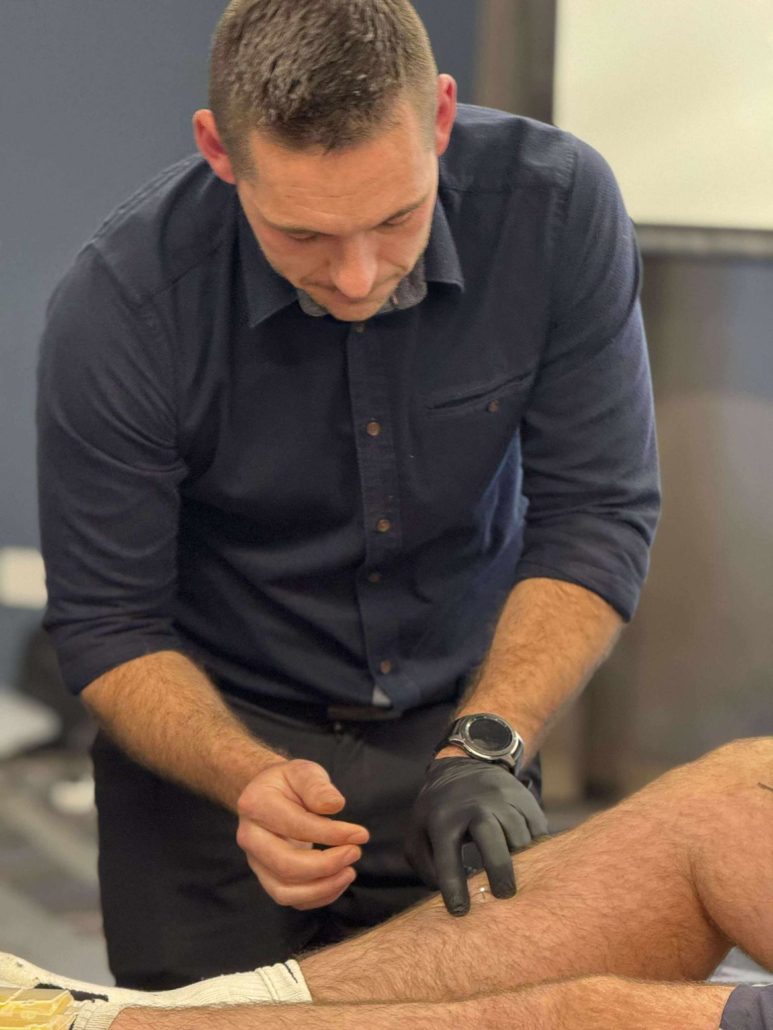
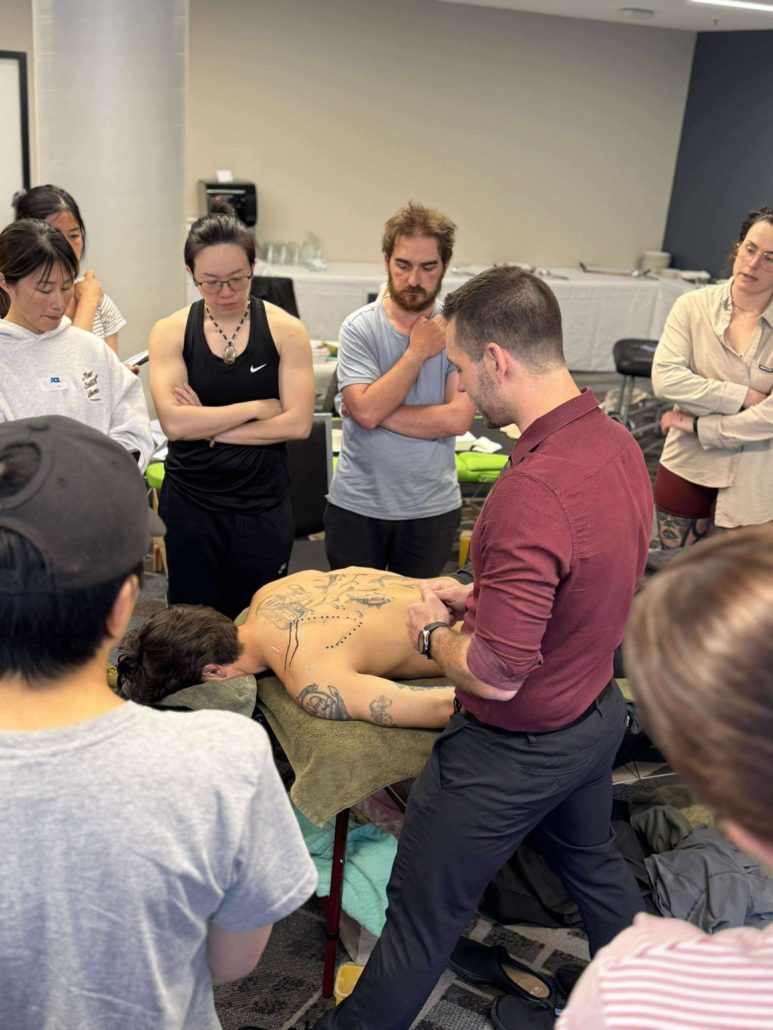
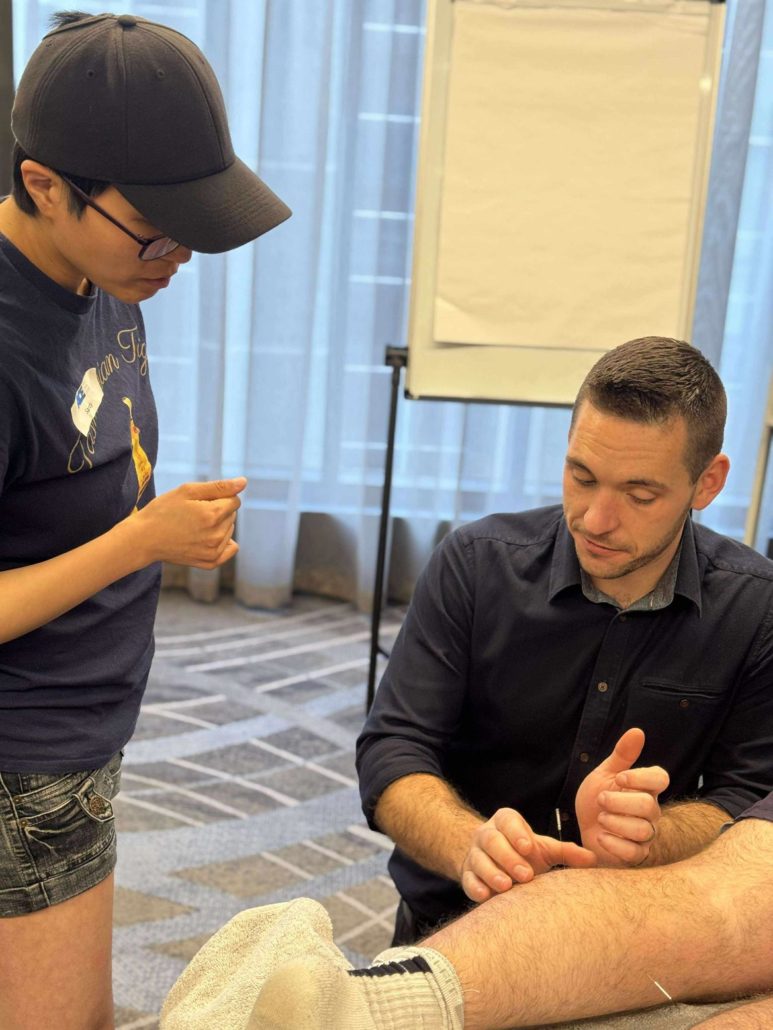
You don’t need to reinvent the wheel when it comes to professional development and study.
On a very similar note, I’ve had some recent experiences with patients who share their concerns, mentioning what has worked for them in the past, and then quickly add on “… but I’m sure you know what you need to do.”
There’s almost a shock for some patients when I say, “Well let’s start with what you know has worked in the past!”
There is always further questioning to understand their presentation, tweaking to the plan, or additions that are very well clinically reasoned to make, but the desire to add a bespoke approach to treatment plans seems to be another aspect where the concern of copying others is faced.
I’m sure that this isn’t a unique experience that I’ve had, and it is something that I have started to apply to another area of work much more recently. To circle back to the ‘AI slop’ poster that started the thought of this blog, you might find yourself thinking the best way to stand out on social media is to do something different, that we should advertise what makes us unique.
This is a fantastic way to share who you are with your patients, but there isn’t a burning need to change the medium of how it is shared. AI generated content, short-form video, trending memes, audio, or visuals are popular because of the engagement it has with gen pop. Leaning into this and adding your own character is far more beneficial to share your personality and experience, as it’s a medium that’s accessible and interesting to the viewer.
What else are we focusing on trying to reinvent, rather than continuing to push the wheel further along?
